English
 Български
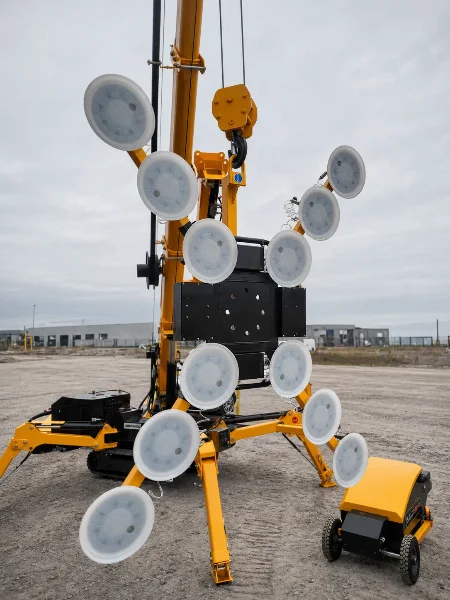
BAUTRAX XGL1200 is a vacuum glass lifter with 1200 kg capacity and twelve 300 mm vacuum pads. It provides 90° mechanical tilt...
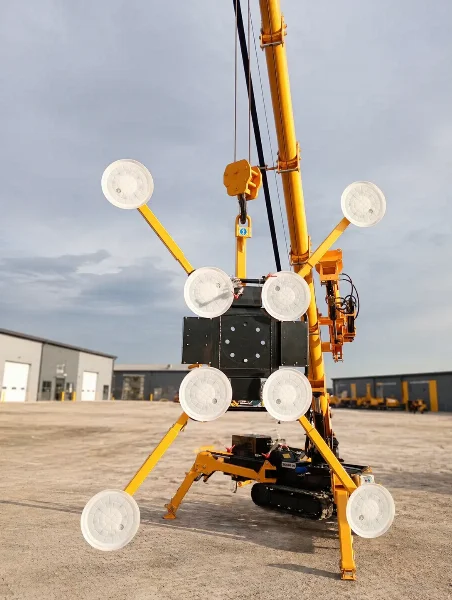
BAUTRAX XGL800 is a vacuum glass lifter with 800 kg capacity and eight 300 mm vacuum pads. It offers 90° mechanical tilt, 360...
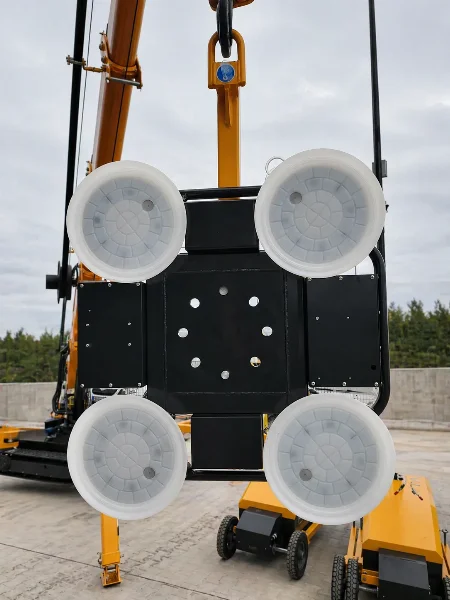
BAUTRAX XGL400 is a compact vacuum glass lifter with 400 kg capacity and four 300 mm vacuum pads. It provides 90° mechanical...
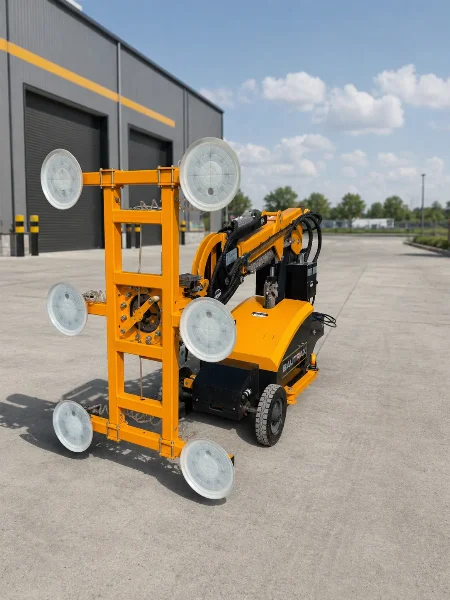
BAUTRAX VROB600 is a battery-powered glass installation robot with 600 kg retracted capacity and 3700 mm lifting height. It h...
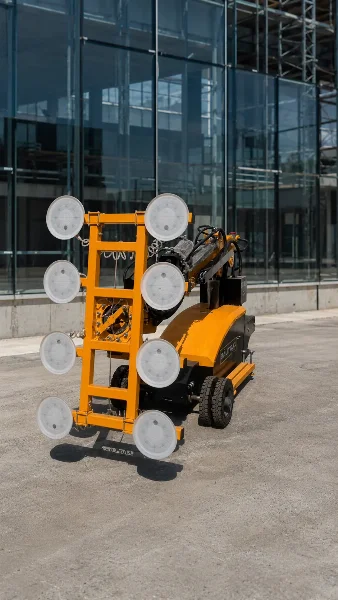
BAUTRAX VROB800 is a battery-powered glass installation robot with 800 kg retracted capacity and 5000 mm lifting height. It h...
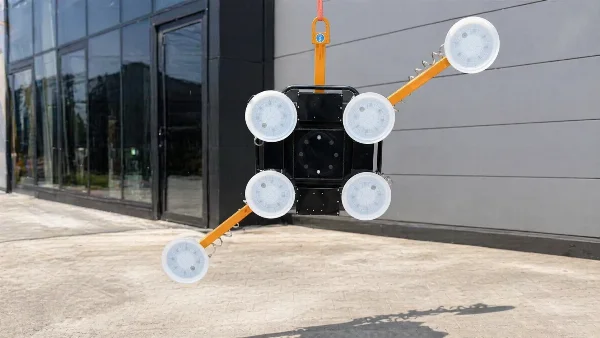
BAUTRAX XGL600 is a vacuum glass lifter with 600 kg capacity and six 300 mm vacuum pads. It provides 90° mechanical tilt, 360...
Glass Lifters and Glass Installation Robots for Controlled Glazing
This category includes two types of glass handling equipment: XGL vacuum glass lifters and VROB glass installation robots.
XGL glass lifters are crane-assisted vacuum lifters. They attach to a crane, mini crane or spider crane and provide controlled vacuum grip, tilt and rotation for glass panels.
VROB glass installation robots are operator-controlled self-propelled machines. The operator controls the machine as it moves on site, lifts the glass panel and positions it without a separate crane in suitable conditions.
The first question is simple: Will the site use a crane, or does the operator need a self-propelled machine to move, lift and position the glass without a separate crane?
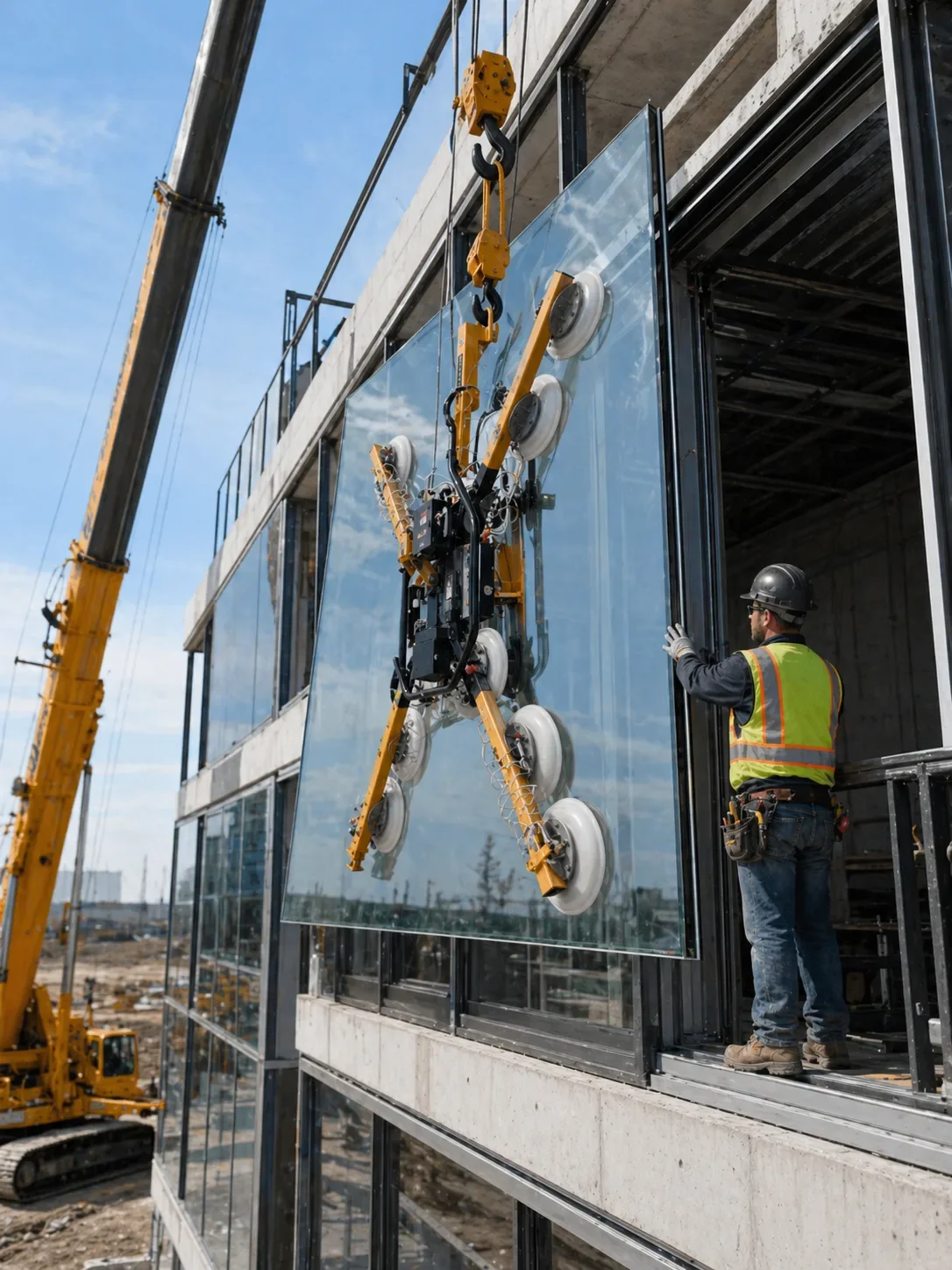
Five checks before choosing glass handling equipment
Check these points before comparing models, because the right choice depends on the panel, lifting method and site access.
Panel weight
Choose by the heaviest single panel, not the average glass weight.
Panel size and suction pads
Match panel dimensions, thickness and glass surface to the suction pad count and pad layout.
Crane or self-propelled robot
Use XGL with a crane. Use VROB when the operator needs a self-propelled machine to move, lift and position the glass without a separate crane.
Tilt and rotation
Confirm whether the lift requires horizontal pickup, vertical installation, tilt, rotation or fine positioning.
Site access
Check route width, floor condition, slope, turning space and operator clearance before choosing the machine.
Buying Guide: How to Choose Between an XGL Glass Lifter and a VROB Glass Robot
Choosing glass handling equipment starts with the lifting method, not only the maximum capacity. BAUTRAX XGL400, XGL600, XGL800, and XGL1200 are crane-assisted vacuum glass lifters. BAUTRAX VROB600 and VROB800 are self-propelled glass installation robots. They work in the same glazing trade, but they solve different site problems.
1. Choose the lifting method first
If the site already has a crane, mini crane, spider crane or other lifting machine, start with the XGL vacuum glass lifter range. The crane provides height and movement. The XGL lifter provides the vacuum grip, tilt, rotation and controlled glass positioning.
If the site does not have a crane, or if the work is inside a building, shopfront, showroom, factory, retail unit or restricted-access area, start with the VROB glass installation robot range. The robot moves into position, grips the panel and lifts it without relying on a separate crane in suitable conditions.
2. Choose by the heaviest panel
Select the machine by the heaviest single panel in the project, not by average glass weight. If most panels are 300 kg but one panel is 580 kg, the machine must be selected for the 580 kg lift.
The XGL range covers 400 kg, 600 kg, 800 kg, and 1,200 kg models. The VROB range covers 600 kg and 800 kg models. Keep a practical working margin below maximum rated capacity, especially when panel size, wind, surface condition or lifting angle adds complexity.
3. Check panel size and suction pad layout
Capacity in kilograms is not enough by itself. Large, long or wide panels need stable vacuum distribution across the glass surface. More suction pads help spread the grip across a larger area, which is important for facade panels, curtain wall units and heavy glazing.
Before choosing a model, confirm panel height, width, thickness, glass type and surface condition. Smooth, clean glass is normally suitable for vacuum pads. Textured, dirty, porous, uneven, coated or damaged surfaces may reduce grip and must be checked before lifting.
4. Confirm tilt, rotation and final installation angle
Glass is often picked up from one angle and installed at another. Some jobs require horizontal pickup from a pallet and vertical positioning into a frame. Others require rotation or fine adjustment during installation.
Use XGL lifters when the crane handles the lift but the panel still needs controlled tilt and rotation. Use VROB robots when the machine must lift, move and position the panel itself. Always confirm the required tilt, rotation and final installation angle before choosing the model.
5. Check access route and working surface
For XGL lifters, check the crane position, hook height, lifting radius, glass delivery point and clear route to the facade or installation area. A vacuum lifter cannot compensate for a poor crane plan.
For VROB robots, check route width, turning space, floor strength, surface condition, slope and operator clearance. Glass robots are useful on suitable floors and prepared routes, but they are not a solution for every rough or uneven construction area.
6. Prepare quote details before ordering
Before requesting a quote, prepare the heaviest panel weight, panel dimensions, glass surface type, installation height, crane availability, site photos, access route and unloading point. This helps BAUTRAX compare the correct XGL or VROB model instead of matching only a headline capacity number.
Quick Decision Guide
| Site situation | Better first choice | Why |
|---|---|---|
| Crane or spider crane already on site | XGL vacuum glass lifter | The crane provides the lift; XGL provides vacuum grip and positioning. |
| No crane available | VROB glass installation robot | The operator controls the self-propelled robot to move, lift and position the glass without a separate crane. |
| Heavy panels up to 1,200 kg with crane support | XGL range | XGL1200 covers the highest capacity in this category. |
| Indoor shopfront or fit-out glazing | VROB range | Operator-controlled self-propelled positioning is more useful where crane access is limited. |
| Facade glazing with planned crane lift | XGL range | The lifter works as the glass handling attachment on the crane. |
| Tight route, floor and turning constraints | Depends on site check | Access width, surface, slope and panel size decide the safe option. |
Not Sure Whether You Need an XGL Lifter or a VROB Robot?
Send the panel weight, panel size, lifting method, access route and installation height. BAUTRAX can compare the XGL and VROB options and recommend the suitable machine type for your project.
XGL Vacuum Glass Lifters for Crane-Assisted Glazing
XGL models are vacuum glass lifters, not self-propelled robots. They are designed to attach to a crane, mini crane, spider crane or similar lifting machine. Use this range when the site already has a lifting plan and the buyer needs controlled vacuum handling for glass panels.
The XGL range is arranged by capacity and suction pad count:
XGL400 — 400 kg capacity, 4 suction pads
XGL600 — 600 kg capacity, 6 suction pads
XGL800 — 800 kg capacity, 8 suction pads
XGL1200 — 1,200 kg capacity, 12 suction pads
Choose XGL when the main question is: which vacuum lifter should attach to the crane for this panel weight and size?
BAUTRAX XGL400 and XGL600 – Compact Vacuum Glass Lifters
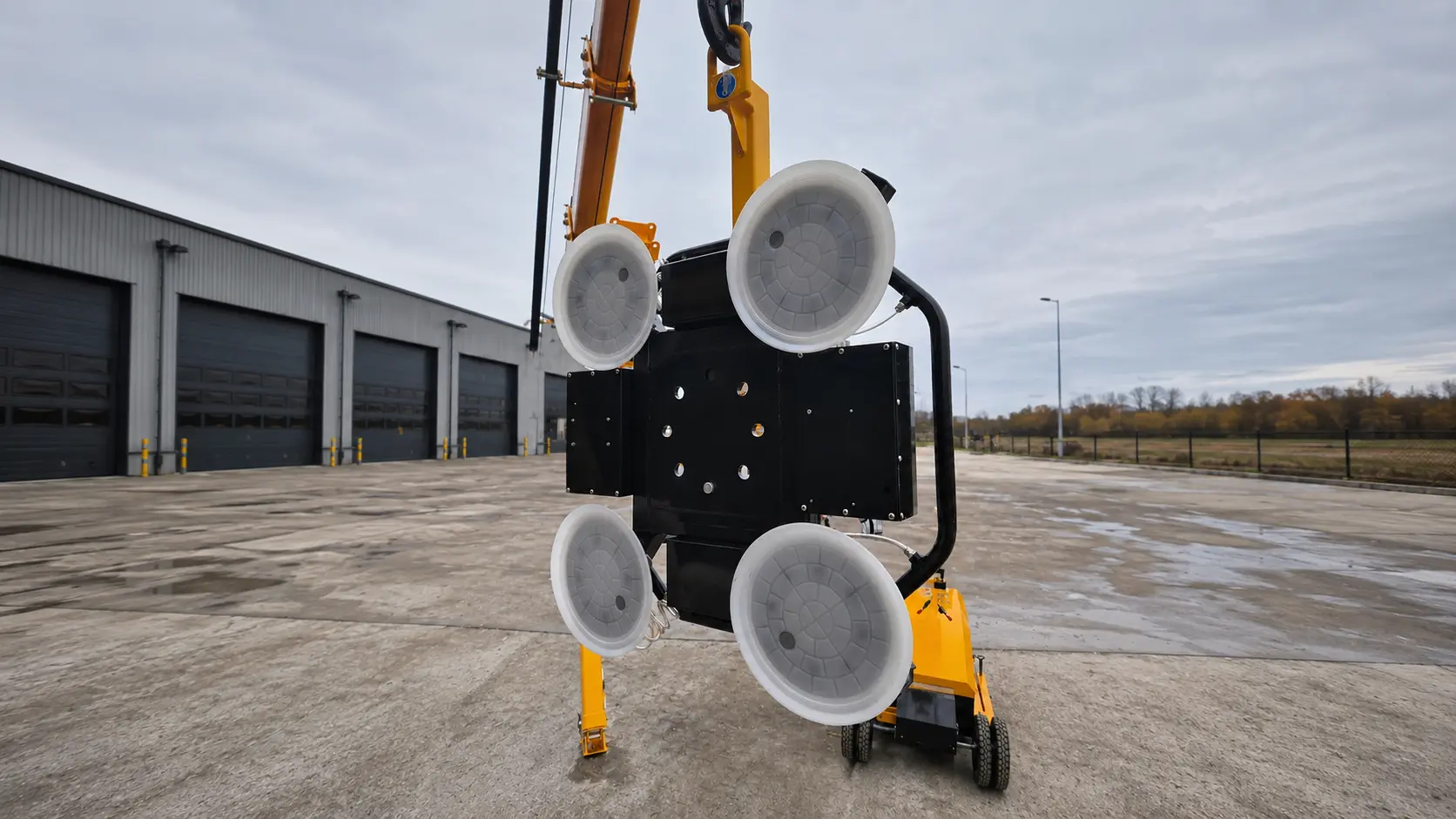
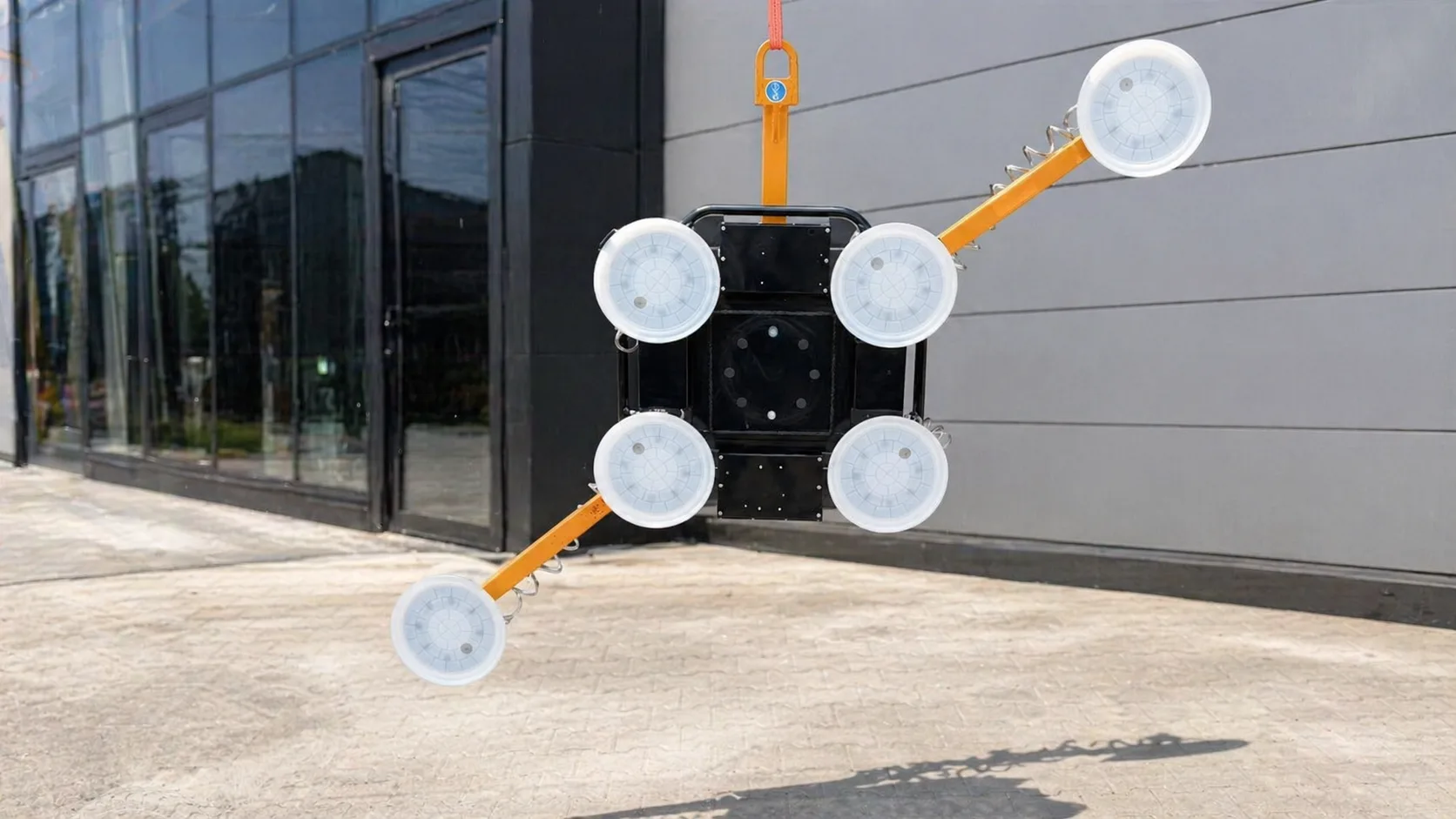
BAUTRAX XGL400 and BAUTRAX XGL600 are compact vacuum glass lifters for crane-assisted glazing work. They are suitable when the project already has a crane or spider crane and the glass panels are within the lower and mid-capacity range.
XGL400: 400 kg | 4 suction pads
XGL600: 600 kg | 6 suction pads
Choose these models when the panel weight is moderate and the priority is simple, controlled glass handling with a crane.
Explore XGL models → Request a quote
BAUTRAX XGL800 and XGL1200 – Higher-Capacity Vacuum Glass Lifters
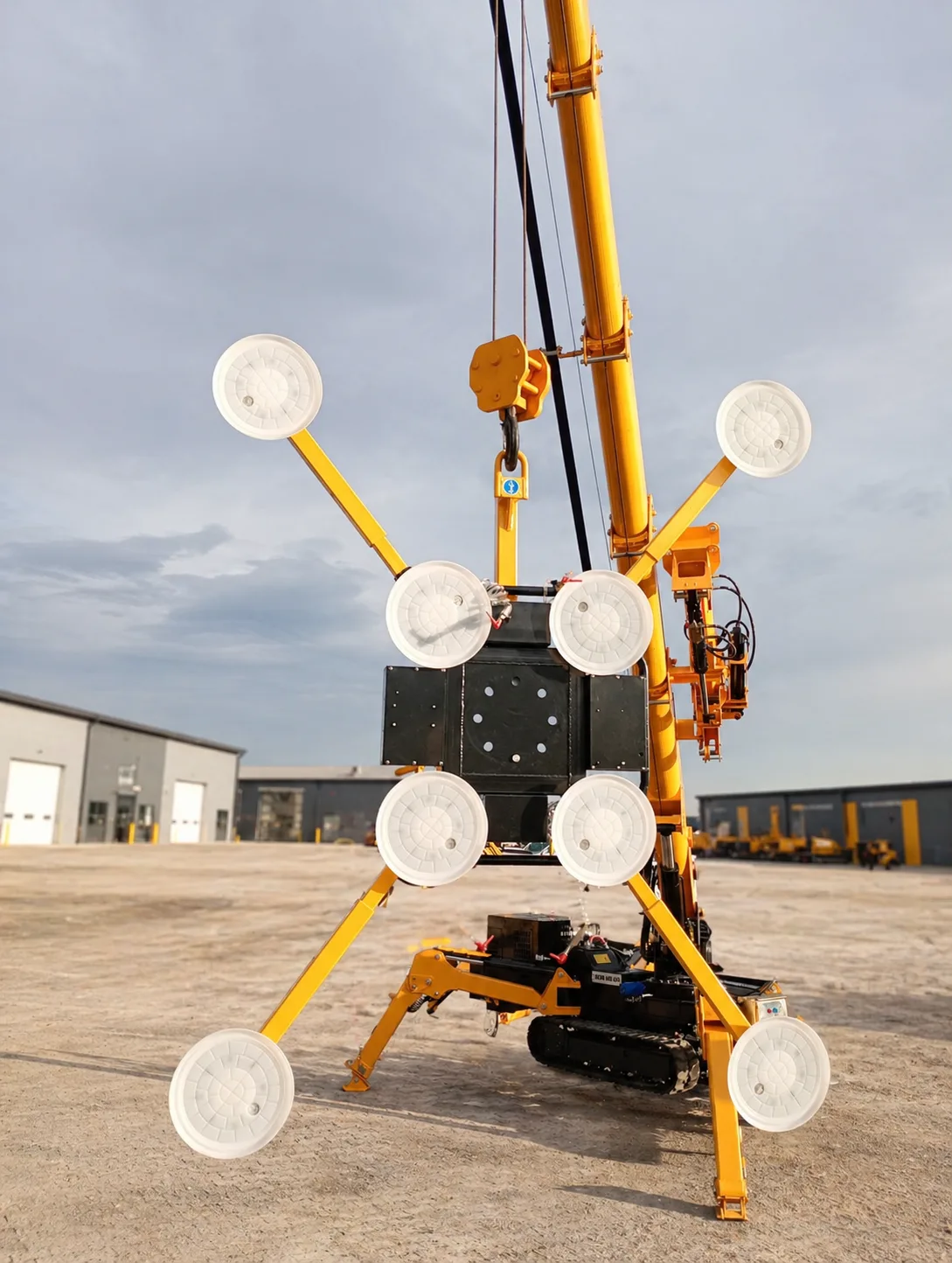
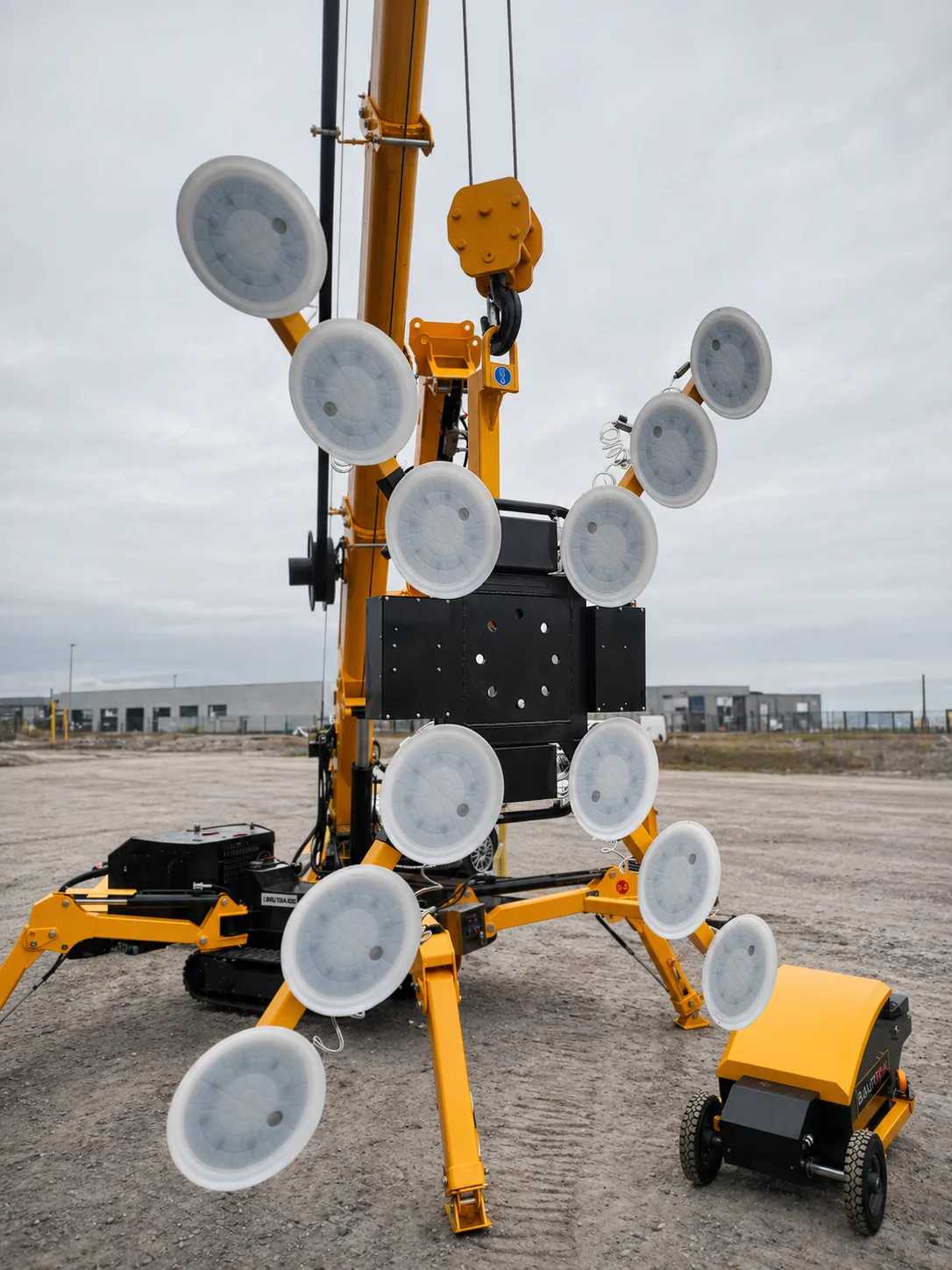
BAUTRAX XGL800 and BAUTRAX XGL1200 are higher-capacity vacuum glass lifters for larger facade panels, heavier glass and jobs where more suction pads are needed to distribute the load.
XGL800: 800 kg | 8 suction pads
XGL1200: 1,200 kg | 12 suction pads
Choose these models when panel weight, glass size or facade installation conditions require a higher-capacity lifter attached to a crane.
Explore XGL models → Request a quote
XGL Vacuum Glass Lifter Comparison Table
| Model | Capacity | Suction pads | Best suited for | Check before choosing | Price |
|---|---|---|---|---|---|
| BAUTRAX XGL400 | 400 kg | 4 | Smaller glass panels, window units and lighter glazing tasks | Check panel size and whether 4 suction pads give enough grip coverage for the glass dimensions | €2,350 |
| BAUTRAX XGL600 | 600 kg | 6 | Mid-weight panels, shopfront glass and standard facade glazing | Good middle option, but confirm the panel does not require the wider pad spread of XGL800 | €2,950 |
| BAUTRAX XGL800 | 800 kg | 8 | Larger facade panels and heavier glazing work | Check crane capacity, hook height and working radius for the heavier panel and lifter combination | €3,350 |
| BAUTRAX XGL1200 | 1200 kg | 12 | Heavy glass panels and high-capacity facade work | Best for the heaviest panels, but requires the most careful crane planning, access and load control | €3,800 |
VROB Glass Installation Robots for Self-Propelled Glass Positioning
VROB models are operator-controlled self-propelled glass installation robots. They are designed to help the operator move, lift and position glass panels without a separate crane in suitable site conditions. Use this range when the buyer needs the machine to be more than a vacuum attachment.
The VROB range currently includes:
Choose VROB when the main question is: Does the operator need a self-propelled machine to carry, lift and position the glass without a separate crane?
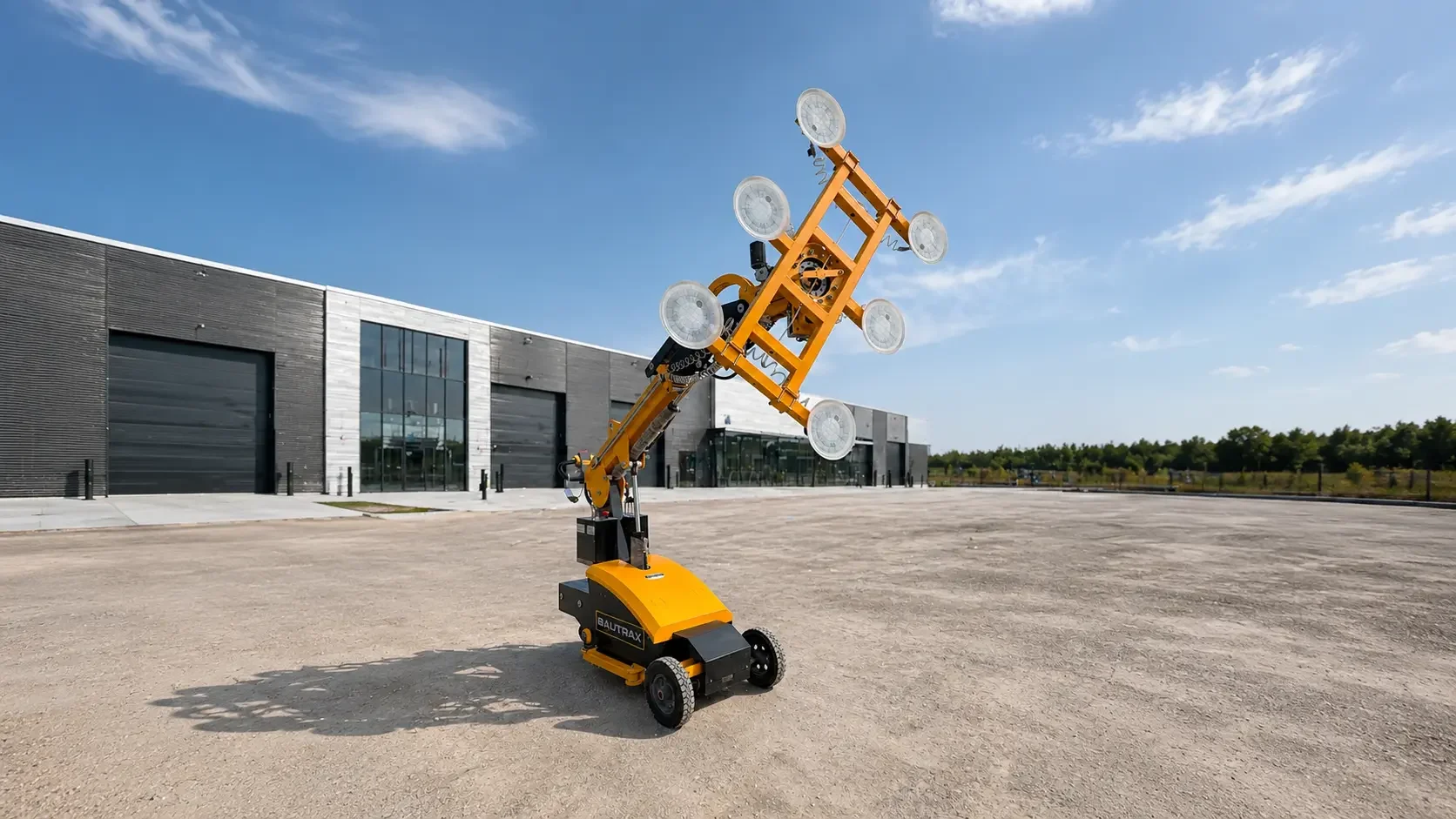
BAUTRAX VROB600 – Self-Propelled Glass Installation Robot
BAUTRAX VROB600 is an operator-controlled self-propelled glass installation robot for moving, lifting and positioning panels without a separate crane in suitable indoor, shopfront and facade conditions.
Capacity: 600 kg | Lift height: 3,700 mm | Movement: operator-controlled self-propelled
Choose VROB600 when the site needs controlled glass positioning and the panel weight is within the 600 kg class.
Explore VROB600→Request a quote
BAUTRAX VROB800 – Higher-Capacity Glass Installation Robot
BAUTRAX VROB800 is the higher-capacity glass installation robot for heavier panels and greater lift height where site access and floor conditions allow operator-controlled self-propelled positioning.
Capacity: 800 kg | Lift height: 5,000 mm | Movement: operator-controlled self-propelled
Choose VROB800 when the panel weight or installation height exceeds the VROB600 range and the site route allows a larger glass installation robot.
Explore VROB800 → Request a quote
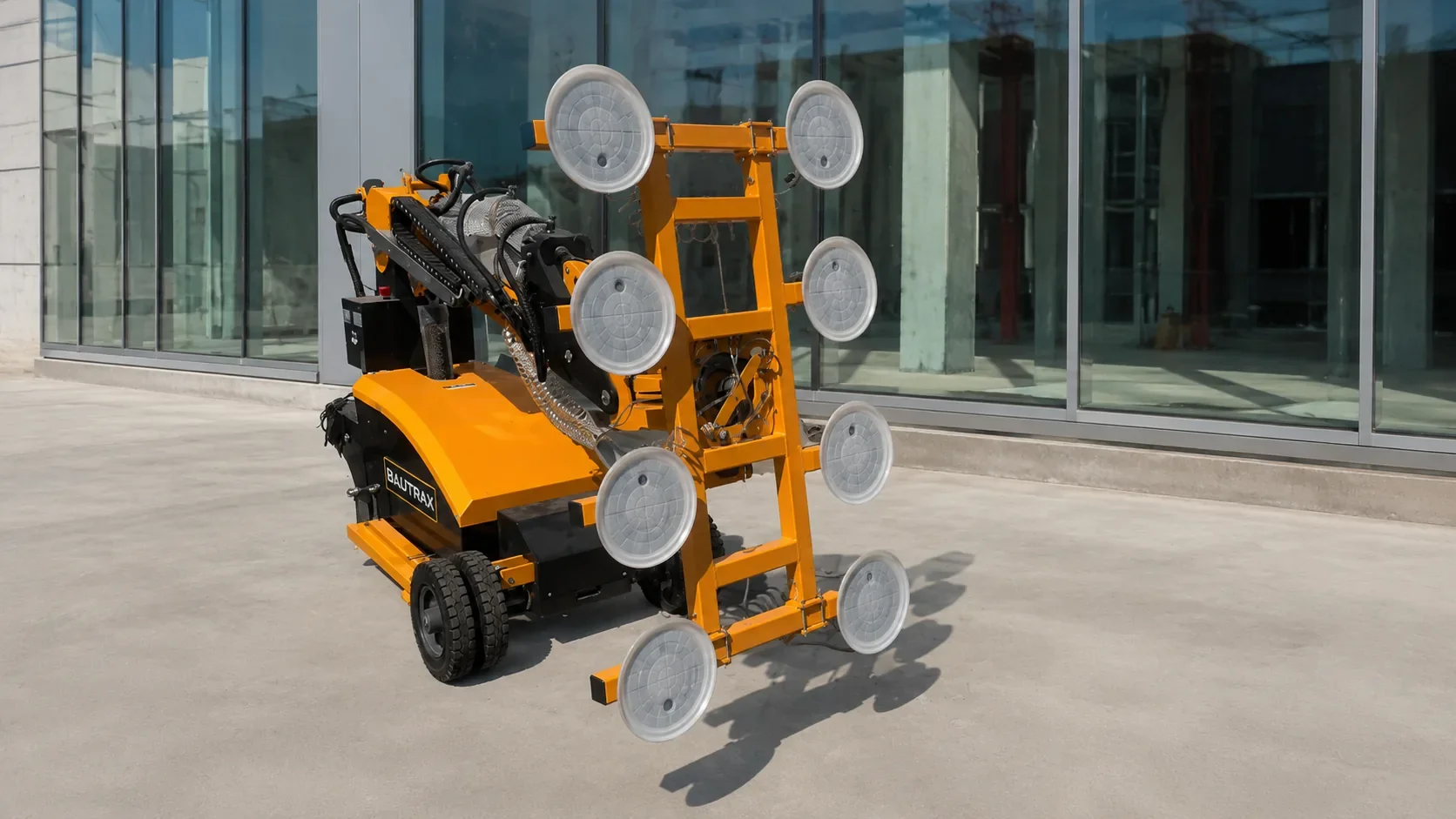
VROB Glass Installation Robot Comparison Table
| Characteristic | BAUTRAX VROB600 | BAUTRAX VROB800 |
|---|---|---|
| Type | Glass installation robot | Glass installation robot |
| Capacity | 600 kg | 800 kg |
| Lift height | 3,700 mm | 5,000 mm |
| Lifting method | Operator-controlled self-propelled | Operator-controlled self-propelled |
| Best suited for | Indoor, shopfront and controlled facade positioning | Heavier panels and higher installation points |
| Main limitation | Lower capacity and lift height than VROB800 | Requires suitable route, floor condition and turning space |
| Price | €17,900 | €21,900 |
Common Applications
Facade Glazing and Curtain Wall Work
Glass lifters and glass robots are used when facade panels must be lifted, held and positioned with control. For crane-planned facade work, XGL lifters are usually the first option. For projects where the machine must move and position the panel itself, VROB robots become more relevant.
Shopfront and Commercial Glazing
Shopfronts and commercial interiors often have restricted access, limited crane options and finished surfaces. VROB robots can be useful when the panel must be moved inside or close to the installation point under its own power. Access route, floor strength and turning space must be checked first.
Crane-Assisted Glass Handling
Use XGL models when the lift plan already includes a crane or spider crane. The XGL lifter supplies the vacuum grip and positioning control, while the crane supplies height and movement. This is useful for facade contractors, glazing teams and rental fleets supporting crane-assisted glass installation.
Window, Door and Fit-Out Installation
Glass handling equipment can also support window and door installers, fit-out teams, showrooms, commercial spaces and rental companies. The correct machine depends on panel size, working height, route to the opening and whether a crane is available.
What to Check Before Requesting a Quote
Prepare the practical site and panel information before asking for a quote. This helps BAUTRAX recommend the correct glass lifter or glass robot instead of only matching a capacity number.
Heaviest glass panel weight
Panel dimensions: height, width and thickness
Glass type and surface condition
Crane available or no crane available
Required tilt, rotation and positioning angle
Indoor, outdoor, facade or shopfront use
Access width, turning space and operator clearance
Floor condition, slope and route to the installation point
Required delivery location and unloading access
Whether the machine is needed for one project or repeated daily work
Frequently Asked Questions
XGL models are vacuum glass lifters that attach to a crane, mini crane or spider crane. They provide vacuum grip, tilt and controlled positioning, but they are not self-propelled robots. VROB models are self-propelled glass installation robots that move, lift and position the glass panel without a separate crane in suitable site conditions.
Choose XGL if a crane or spider crane is already part of the lifting plan. Choose VROB if the machine must move, lift and position the glass by itself, especially for indoor, shopfront or restricted-access glazing.
Choose by the heaviest panel weight, panel size and required suction pad layout. XGL400 handles up to 400 kg, XGL600 up to 600 kg, XGL800 up to 800 kg and XGL1200 up to 1,200 kg.
Choose VROB600 for panels up to 600 kg and lift height up to 3,700 mm. Choose VROB800 when the project needs up to 800 kg capacity or up to 5,000 mm lift height, assuming site access and floor conditions are suitable.
No. XGL glass lifters are crane-assisted tools. They need a crane, spider crane, mini crane or suitable lifting machine. If the machine must lift and move the glass by itself, compare the VROB robots instead.
Measure panel weight, panel dimensions, glass surface type, access width, route to the installation point, installation height, floor condition and whether a crane is available. Send photos or drawings if the access route is tight.
Vacuum lifting depends on the glass surface, cleanliness, thickness, coating and panel condition. Smooth, clean glass is usually suitable, but textured, dirty, damaged or special-coated surfaces should be checked before confirming the lifting method.
VROB600 has a maximum lift height of 3,700 mm and VROB800 reaches 5,000 mm. Before delivery, confirm the ceiling clearance, any overhead obstacles, and whether the robot can reach full extension at the installation point. If the installation height is close to the model's maximum, check with BAUTRAX before confirming the order.
Related Equipment
For complete glass installation and site preparation, you may also need:
Mini cranes / spider cranes — for crane-assisted lifting with XGL vacuum glass lifters. Link only if the category is active.
Scissor lifts — for access work, facade details, maintenance and installation support.
Generators — for sites where stable power supply is required.
Mini skid steer loaders — for compact site handling, transport and preparation tasks. Link only if the category is active.
Need Help Choosing Glass Handling Equipment?
Send the panel weight, glass dimensions, access route, installation height and whether a crane is available. BAUTRAX can compare XGL vacuum glass lifters and VROB glass installation robots and prepare a quote based on the real site requirements.