English
 Български
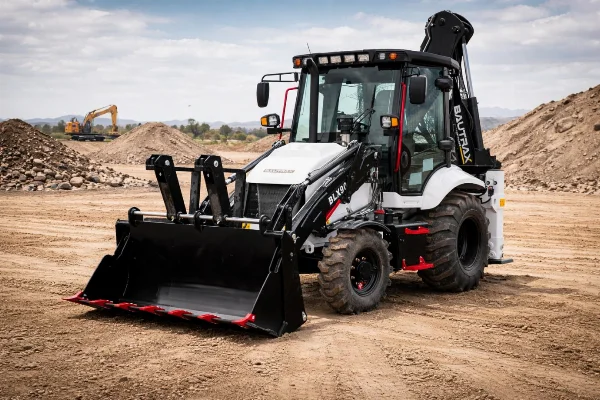
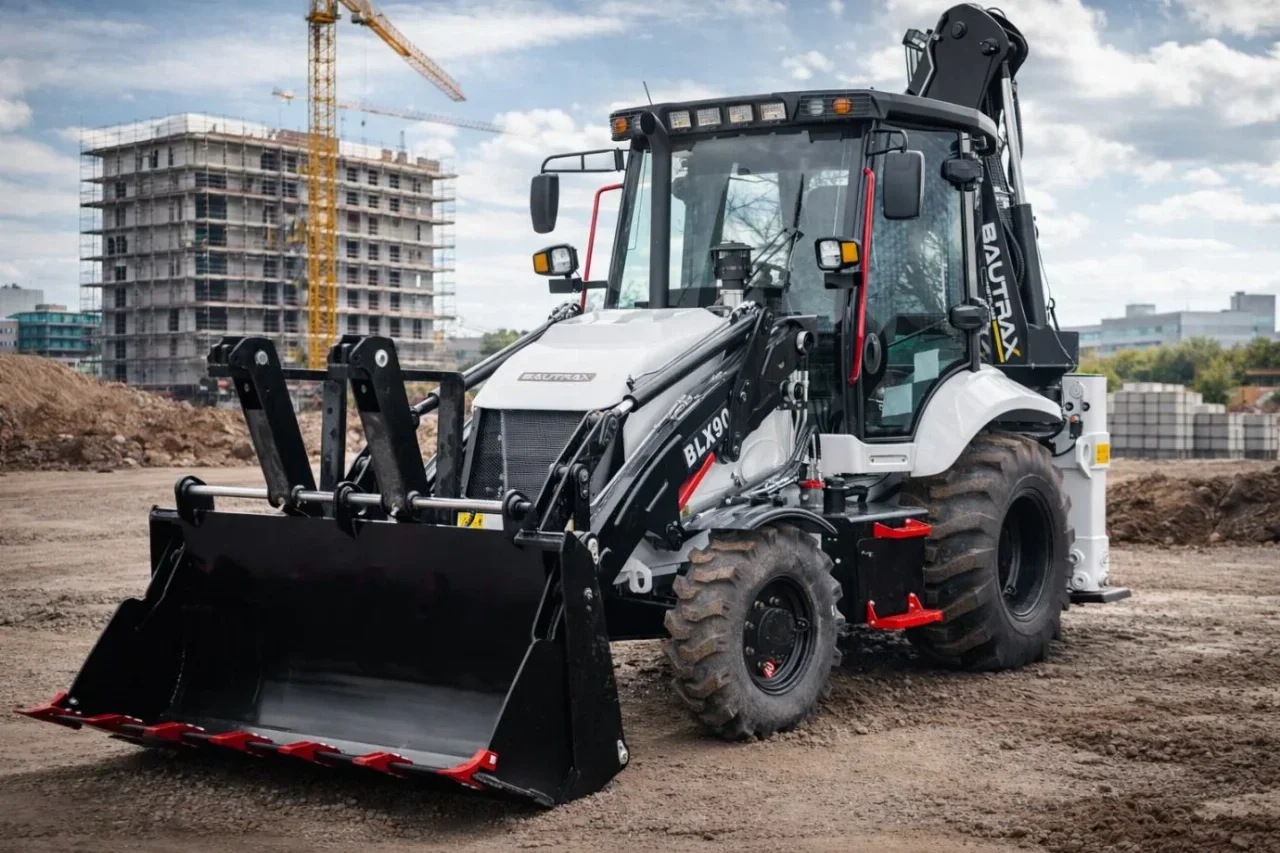
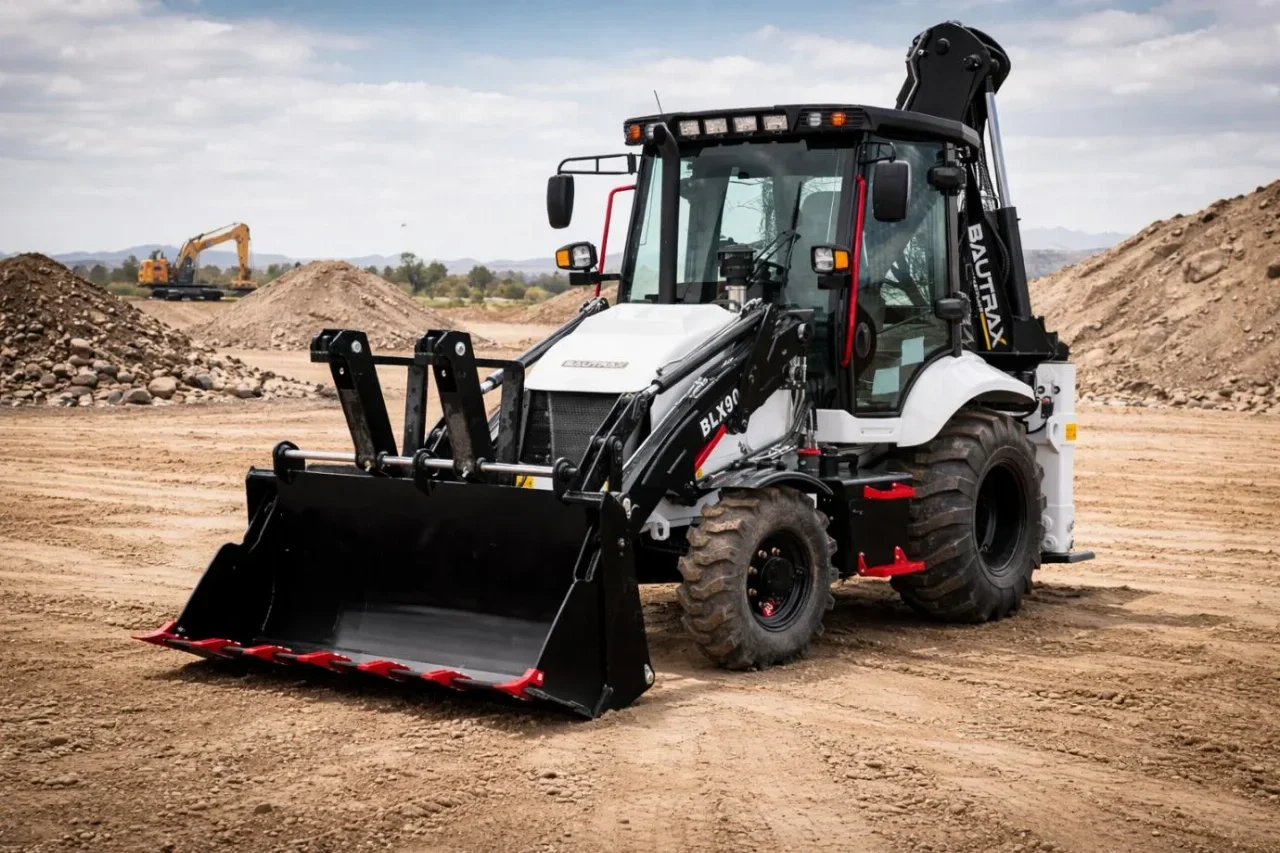
BAUTRAX BLX90 is a 9350 kg backhoe loader with 2500 kg rated payload, 1.2 m³ loading bucket and 0.3 m³ excavating bucket. It...
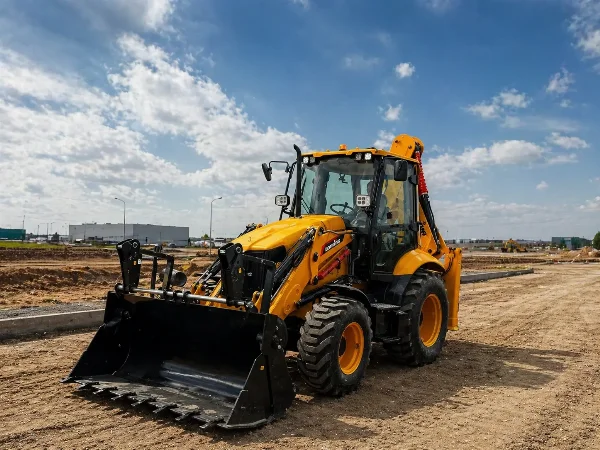
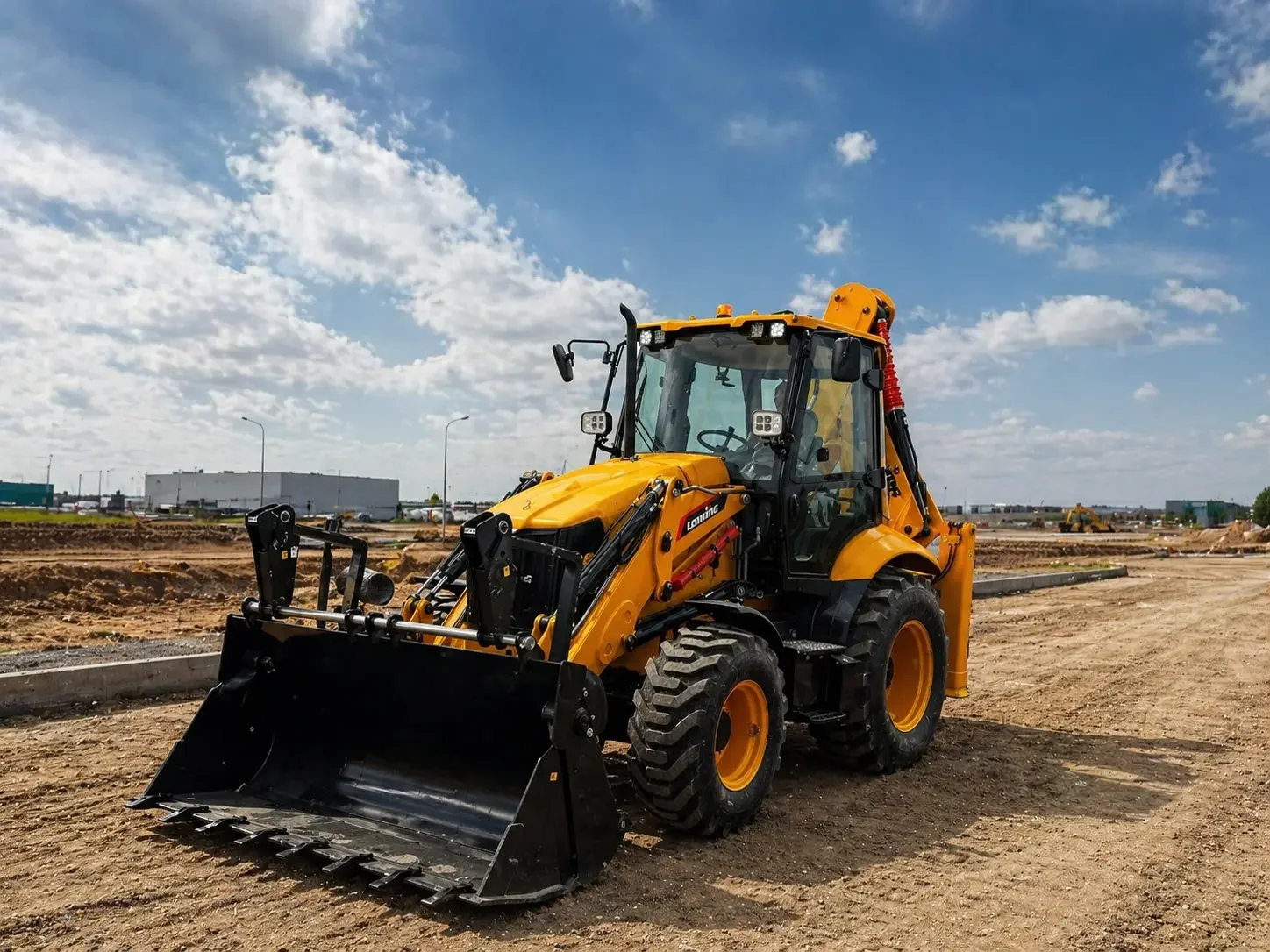
Lonking 83C is an 8600 kg backhoe loader with 1.0 m³ loading bucket, 0.2 m³ excavating bucket and 74.4 kW Perkins Stage V eng...
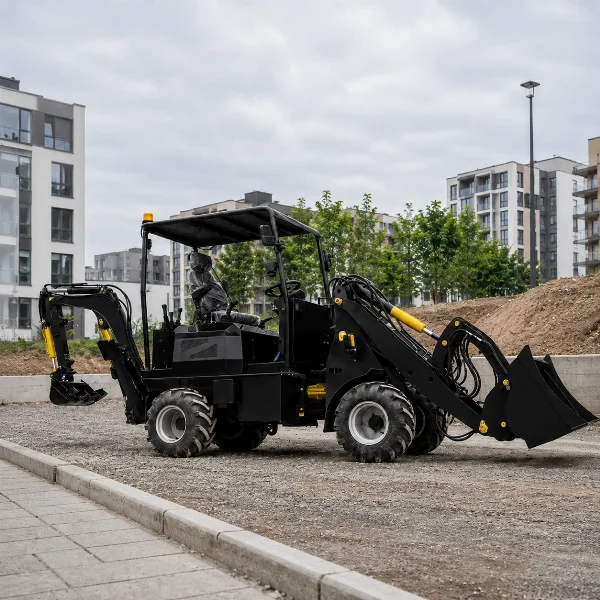
BAUTRAX MBH06HL is a compact backhoe loader (front loader + rear backhoe) with a Kubota 18.4 kW engine, 2380 kg weight, 0.30...
Backhoe Loaders for Digging, Loading and Utility Work
Backhoe loaders are practical machines for contractors, municipalities, yards, and utility teams that need one machine to dig, load, level, and move material during the same workday. A backhoe loader is not as compact as a mini excavator and not as specialised as a wheel loader. It becomes useful when the site needs both rear excavation and front-bucket work without bringing several machines to the same location.
The right choice depends on the daily workflow. How much of the day is digging? What material is loaded most often? Does the machine move between sites or stay on one? Does it need to travel on roads? Which buckets and attachments are required? Will the access route accept the machine size? BAUTRAX offers BAUTRAX BLX90 and Lonking 83C as backhoe loader options. The two models are close in weight and engine power, so the choice is usually made on price, exact configuration, brand preference, and availability rather than on a major technical gap.
Six checks before comparing models
Run these checks against the real worksite before reading the model specs. They decide which model fits — or whether a backhoe loader is the right category at all.
Digging depth
Match the rear arm to actual trench depth, soil type, and the deepest single point in the job — not the average.
Loader work
Decide what the front bucket carries most often: loose soil, gravel, rubble, sand, or pallets with for
Operating weight
A 9-ton machine reaches sites a 6-ton mini excavator cannot, but only where access, surface, and transport allow it.
Buckets and attachments
Confirm bucket sizes, quick coupler, auxiliary hydraulics and any hammer or auger plan before ordering.
Site access
Entrance width, turning space, road access, ground condition, and the size of the work area — measured before delivery.
Daily workload
Count how often the machine switches between digging, loading, and travelling. Frequent switching is where a backhoe earns its place.
Buying Guide: How to Choose a Backhoe Loader
A backhoe loader is the right category when one site asks for multiple jobs in the same shift. It is not always the right machine. Buyers who choose only by engine power or price often end up with a machine that is too heavy for the access, too small for the trench, or wrong for the daily mix of digging and loading.
1. Start with the main daily task
If the team mainly digs narrow trenches in restricted spaces, a mini excavator is usually more practical. If the team mainly moves pallets, a forklift is the right category. But when the work mixes trenching, loading, levelling, loose material movement, and general site support, a backhoe loader reduces the number of machines that must be moved to one site.
For contractors the question is simple: does the machine spend most of the day digging, most of the day loading, or constantly switching between the two? The honest answer guides the model choice, the bucket setup, and the transport plan.
2. Rear digging depth and excavation work
The rear excavator arm must match the real digging task. Check the required digging depth, trench width, soil type, bucket size, and the space needed for the stabilizers. Deeper utility trenches, drainage work, and foundation preparation need more reach and stability than light site cleanup.
BAUTRAX BLX90 has a 4,580 mm maximum rear digging depth and 9,350 kg operating weight. Lonking 83C is slightly lighter at 8,600 kg with a Perkins 1904J-E36TA engine. The two machines are in the same weight and power band, so the rear-arm decision is rarely about choosing between them — it is about checking whether either machine reaches the depth you need with stable footing.
3. Front loader bucket work
The front bucket is what makes a backhoe loader different from a mini excavator. The same machine moves soil, gravel, sand, debris, and site material after digging. If the front bucket runs constantly, check bucket size, visibility, breakout force, turning area, and the surface where the machine will work.
For yards that load aggregate or topsoil daily, a slightly larger front bucket may matter more than a deeper rear arm. For utility-heavy work where the front bucket is only used to backfill, a standard setup is usually enough.
4. Site access, road movement, and operating weight
Backhoe loaders are larger than compact excavators. Before choosing a model, check the site entrance, turning space, road access, ground condition, and whether the machine must move between locations on its own wheels or on a trailer. Operating weight affects stability and capacity, but also transport cost, access width, surface impact, and road-movement rules.
Both BLX90 and 83C are in the 8.5–9.5 ton range. Neither fits very tight urban sites — for that, look at the mini excavator category instead. Both are suitable for utility yards, contractor depots, and rural / suburban projects with adequate access.
5. Buckets, attachments, and configuration
Bucket and attachment setup must be confirmed before the quote. Check the exact front bucket, rear bucket, quick coupler, auxiliary hydraulics, and attachment compatibility for the chosen model. Buyers who need hydraulic tools, loader forks, or special buckets should raise this before the configuration is finalised.
Confirm whether a hammer or auger is part of the offer before presenting attachments to the customer. Attachments add cost and may require hydraulic options that are not standard on every machine.
6. BLX90 or 83C: how the decision is usually made
Because the two machines are technically close, the practical decision is usually made on:
Listed price and whether public price is shown for both
Lead time and availability in stock
Configuration — exact bucket package, hydraulic option, tyre type, cabin spec
Service and parts support for the chosen brand
Brand preference of the buyer or end client
If the buyer has no strong preference, BAUTRAX can recommend whichever model has a faster lead time and the configuration that matches the workload. The category page is meant to help the buyer ask the right questions, not to pre-sell a specific SKU.
7. Service, ownership, and quote accuracy
Backhoe loaders are everyday workhorses, so support matters more than peak headline specs. Before confirming an order, verify final price, availability, delivery, warranty terms, service support, and the exact configuration in the quote.
What to Check Before Requesting a Quote
Required digging depth and trench width
Main front-bucket task and material type
Estimated daily split between digging, loading, and movement
Site access, road access, and turning space
Ground conditions and working surface
Required buckets, forks, or hydraulic attachments
Delivery location and unloading access
Any transport, operator, or service requirements
Not Sure Which Backhoe Loader Fits Your Work?
Send information about your site, the deepest trench you need, the main material the front bucket will carry, and your delivery location. BAUTRAX can flag whether BLX90 or 83C is the better starting point — or whether a different category (mini excavator, mini skid steer loader) is the honest recommendation.
Available Backhoe Loader Models
BAUTRAX BLX90 – Mixed Digging and Loading
BAUTRAX BLX90 is the BAUTRAX-branded option for contractors who need one machine for digging, loading, levelling, utility work, and general site support. It is built for the daily mix of rear-arm trenching and front-bucket loading.
Operating weight: 9,350 kg | Power: 101 hp / 74 kW | Max digging depth: 4,580 mm | Price: €54,900
Choose BLX90 when the work combines trenching, loading loose material, yard movement, and small construction tasks, and when listed price and direct BAUTRAX sales support matter.
Explore BLX90 → Request a quote
Lonking 83C – Lighter Alternative in the Same Class
Lonking 83C is the second option in the category for buyers who want to compare a slightly lighter machine with a Perkins engine before deciding. It is in the same weight and power class as BLX90, so the comparison is mostly about engine preference, configuration, availability, and final commercial terms.
Operating weight: 8,600 kg | Engine: Perkins 1904J-E36TA | Power: 74.4 kW @ 2,200 rpm | Price: Price on request
Choose Lonking 83C when a Perkins engine, a slightly lower operating weight, or current stock availability tip the decision against BLX90.
Explore 83C → Request a quote
Backhoe Loader Comparison Table
| Characteristics | BAUTRAX BLX90 | Lonking 83C |
|---|---|---|
| Operating weight | 9,350 kg | 8,600 kg |
| Engine / emissions | Weichai, Euro V | Perkins 1904J-E36TA, EU Stage V / EPA Tier 4F |
| Power | 101 hp / 74 kW | 74.4 kW @ 2,200 rpm |
| Front bucket | 6 in 1 front bucket, 1.2 m³ | Standard loading bucket, 1.0 m³ |
| Excavator bucket | 0.3 m³ | 0.2 m³ |
| Digging / reach data | Max digging depth 4,580 mm; max loading height 4,426 mm; max reach from swing center 6,420 mm | Max digging depth 5519 mm; loader digging force 62 kN; bucket digging force 61 kN |
| Work profile | Mixed contractor work: trenching, loading, backfilling, levelling and general site support with a larger bucket | Similar mixed digging and loading work with lower operating weight, Perkins engine, Carraro driveline |
| Price | €54,900 | Price on request |
Common Applications
Utility Trenches and Site Preparation
Backhoe loaders are used when a site needs both digging and loading from one machine. They fit utility trenches, drainage repairs, pipe routes, cable preparation, small foundations, and general excavation where a dedicated excavator may be too specialised for the full day's work.
Loading, Levelling, and Material Movement
The front loader bucket makes the category useful for moving soil, gravel, sand, debris, and site materials. This is the practical difference from a mini excavator: the same machine digs with the rear arm, then loads and moves material with the front bucket without switching machines.
Municipal, Yard, and Contractor Work
Municipal teams, rental companies, factories, construction yards, and contractors use backhoe loaders when the machine must handle different jobs in one shift. The decision should be based on the real workflow: how often the machine digs, loads, moves, and changes position during the day.
Rural and Suburban Sites with Road Access
Backhoe loaders are designed to move under their own power on roads where regulations allow. For projects in villages, small towns, or industrial zones with good road access, this can reduce the need for separate platform transport compared with a tracked excavator, which usually requires specialised transport between sites.
Mixed-Site Support
A backhoe loader handles many small tasks on one site: trenching, moving loose material, backfilling, site cleanup, small loading jobs, and general preparation. It is most useful when flexibility matters more than maximum specialisation in any single task.
When a Backhoe Loader Is Not the Right Answer
Be honest about the limits. For tight indoor digging, a mini excavator is more practical. For repeated pallet handling, a forklift is the right category. For high-volume earthmoving, a wheel loader or larger excavator is more productive. Use the backhoe loader category when the day genuinely mixes digging and loading.
Frequently Asked Questions
Choose a backhoe loader when the work combines digging and loading. A mini excavator is better for compact digging and precision excavation in tight spaces. A backhoe loader adds a front bucket for loading, levelling, backfilling, and moving material, which makes it useful when the same site needs both tasks.
The two machines are in the same weight and power class. BLX90 is 9,350 kg with a 101 hp / 74 kW engine and listed at €54,900. Lonking 83C is 8,600 kg with a Perkins 1904J-E36TA engine at 74.4 kW and is offered on request. The choice usually comes down to engine preference, exact configuration, current stock, and final commercial terms rather than a major technical gap.
Check digging depth, front loader workload, required buckets, tyre type, transport route, road access, ground conditions, and the space available on site. A backhoe loader is most useful when the same machine needs to dig, load, backfill, and move between tasks. If most of the day is only one type of work, a more specialised machine may be cheaper to run.
It can reduce the number of machines on mixed jobs, but it does not replace every machine. For tight indoor digging, a mini excavator is more practical. For repeated pallet handling, a forklift is the right category. For high-volume earthmoving, a wheel loader or larger excavator is more productive.
Confirm the exact bucket package, quick coupler, auxiliary hydraulics, and any special attachments per quote. Hammers, augers, forks, and other attachments should be listed clearly if they are included. Attachments often have their own line items in the quote.
Backhoe loaders are designed for road movement where local regulations allow. Confirm registration, operator licence requirements, road movement rules, and transport plan with BAUTRAX before assuming how the machine will move between sites.
Send the digging depth, trench width, material type, front-bucket task, worksite access, planned attachments, and delivery location. Photos of the entrance, turning space, unloading area, and the work zone help more than written descriptions alone.
Related Equipment
For mixed excavation, loading and site preparation, you may also need:
Mini excavators — for tighter digging, trenches and compact access.
Rollers — for compaction after trenching, backfilling and site preparation.
Forklifts — for repeated pallet handling and warehouse movement.
Generators — for sites without stable power supply.
Need Help Configuring a Backhoe Loader?
Send the digging depth, loading task, material type, site access, and planned attachments. BAUTRAX can compare BLX90 and 83C and prepare a configured quote based on the real site conditions.